
cropper
update
The Davenport Garzette
update
  • Home
  • Categories
    • Travel
    • Wellness & Lifestyle
    • Health Insights
    • Local News
    • Featured
  • Sport
August 29.2025
4 Minutes Read

Sprain vs. Strain: Key Differences Every Fitness Enthusiast Should Know

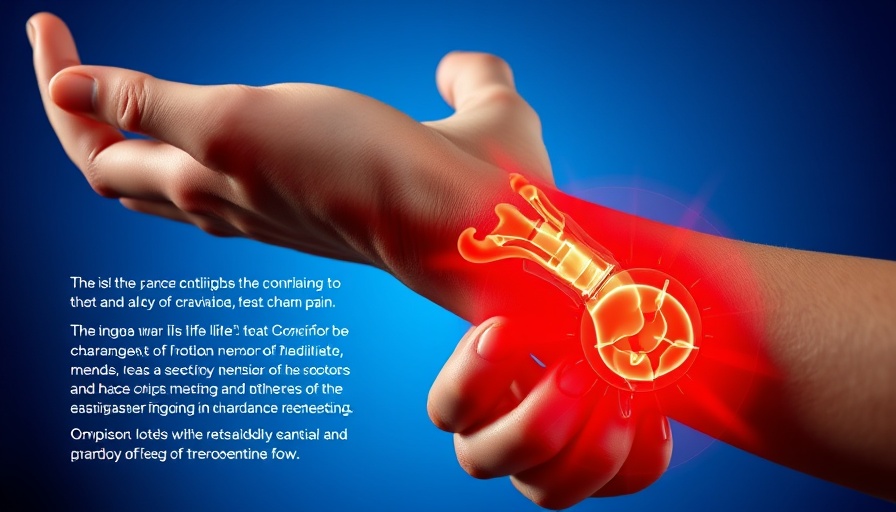
Illustration showing difference between sprain and strain with wrist pain.

Understanding Wrist Injuries: Sprain vs. Strain

In our active lives, injuries are often inevitable, especially when it comes to injuries like sprains and strains. A question often posed by those dealing with wrist injuries is: what's the difference between a sprain and a strain? While these terms may sound alike, they're not interchangeable, and recognizing the distinction can be crucial for healing.

In 'Sprain vs. Strain: What's the Difference in Wrist Injuries?', the discussion dives into the distinctions between these common injuries, exploring key insights that sparked deeper analysis on our end.

The Science Behind Sprains and Strains

A sprain occurs when a ligament—the tough bands of fibrous tissue that connect bones at a joint—is stretched or torn. Conversely, a strain refers to an injury to a muscle or tendon, resulting from overstretching or tearing.
Imagine ligaments as the support beams of a building, providing stability. When these beams are compromised (i.e., a ligament is sprained), the structure can become unstable, leading to pain and reduced mobility.

Common Causes of Wrist Sprains and Strains

Activities that require repetitive wrist movement or high physical demands often lead to these types of injuries. For instance, sports like tennis or pickleball can result in sprains due to sudden twists. Moreover, falling onto an outstretched hand can lead to common wrist injuries. As Dr. Emil noted in a recent discussion on wrist injuries, individuals often experience partial tears in certain ligaments, such as between the scaphoid and lunate bones. In fact, studies suggest that a significant percentage of the population may live with unhealed partial tears, demonstrating the importance of understanding one’s body.

Recognizing the Symptoms

Both sprains and strains can manifest similarly with swelling and pain, but there are subtle differences.

  • Sprain: Often leads to swelling near the joint, bruising, and pain when attempting to move or put weight on the joint.
  • Strain: Muscle spasms, cramping, and weaknesses along with swelling are typical.

If the pain is severe, or if you can't put any weight on the wrist, it’s essential to seek medical advice promptly. Ignoring these symptoms could lead to long-term issues.

Practical Tips for Managing Wrist Injuries

Recovering from wrist injuries means adopting a proactive approach to care. Here are some essential tips both for immediate recovery and prevention:

  • Rest: Allow your wrist to rest by minimizing movement, especially in painful positions.
  • Ice: Applying ice can help reduce swelling and relieve pain.
  • Compression: Using an elastic bandage can support the wrist and limit swelling.
  • Elevation: Keeping the wrist raised above heart level can help decrease swelling.

As Dr. Emil emphasized, it’s crucial not to abandon your physical activities entirely. For example, transitioning to knuckle push-ups instead of traditional ones can help maintain fitness without unnecessary pressure on the wrist.

The Importance of Professional Consultation

When in doubt, consultation with a healthcare professional can provide clarity on the severity of the injury and the appropriate course of action. An expert can offer tailored advice and alternative treatments like physical therapy, based on the individual needs. They can also suggest modifications to your activities to ensure you remain active while allowing for adequate healing.

Preventive Measures to Consider

Understanding your body’s limitations and adopting practices to strengthen the wrist can significantly reduce the likelihood of injury. Include wrist exercises into your routine, focusing on flexibility and strength to provide better support during physical activities.

As part of a holistic approach to health and wellness, balancing physical stressors with proper care, nutrition, and mental health considerations lays the groundwork for injury prevention.

Incorporating Healthy Living into Your Routine

When discussing fitness and injury prevention, consider holistic aspects like nutrition. For example, foods rich in calcium and vitamin D support bone health, while omega-3 fatty acids found in fish promote joint health. Incorporating such nutrients into your diet can support overall health, making your body more resilient to injuries. Moreover, staying mentally fit can help emphasize the importance of bodily awareness during activities.

Community Support and Resources

For individuals and families, it's important to know there are resources available, including community health initiatives and workshops, that focus on safe exercise practices and injury prevention. Local fitness centers can provide classes tailored to different skill levels, ensuring everyone, from beginners to enthusiasts, can participate safely.

Conclusion: Take Charge of Your Health

Recognizing the differences between sprains and strains is crucial in responding to a wrist injury. Prioritizing recovery while maintaining a fitness routine with necessary adjustments can ensure you stay active and healthy. Remember, injury prevention starts with knowledge and proactive measures. Consider visiting your local healthcare provider for personalized advice regarding your wrist health.

So, whether you're a seasoned athlete or just beginning your fitness journey, understanding your body's limits and capabilities allows you to safely enjoy your favorite activities. Stay healthy and informed, and take charge of your health today!

Health Insights

9 Views

0 Comments

Write A Comment

*
*
Please complete the captcha to submit your comment.
Related Posts All Posts
12.10.2025

Bullets in Suspect's Bag Spark Outrage and Legal Debate in High-Profile Murder Case

Update Unsettling Discovery at a Pennsylvania McDonald'sLuigi Mangione's case has captured national attention since he was arrested at a Pennsylvania McDonald's, just days after allegedly murdering UnitedHealthcare CEO Brian Thompson. The moment he was apprehended, police conducted a search of his belongings, leading to a shocking discovery: a loaded magazine containing bullets, concealed within a pair of used underwear. This revelation provided police with the evidence they believed linked him to the high-profile murder case, further intensifying the scrutiny surrounding his actions.Legal Battle Over Evidence CollectionAs the notable hearing unfolded in Manhattan's Criminal Court, Mangione's defense team posited that the incriminating evidence should be deemed inadmissible. They argued that police conducted a warrantless search, violating Mangione's constitutional rights. However, officers contended that under Pennsylvania law, a search incident to arrest allowed them to examine his belongings for potential threats. Officer Christy Wasser voiced the anxiety of the situation, having arrived on a call suggesting that Mangione could be armed or dangerous.The Implications of Current Events in Law EnforcementThis case raises significant questions about warrantless searches and how police operate under pressure during high-stress situations. The audio recordings of the police officers discussing the legalities of their search protocol shed light on the complexities of law enforcement actions during critical moments. As communities grapple with issues surrounding policing, this trial offers a sobering reminder of the need for clear guidelines and accountability, ensuring that public safety practices do not infringe upon individual rights.Emotional Reactions from the CommunityFor homeowners, renters, and community members in coastal cities like Davenport and Polk County, cases of this nature evoke a strong emotional response. The deadly actions of an accused murderer tie directly to broader themes of public health and safety. As residents fear rising crime rates, they might voice the demand for reform, emphasizing their interest in keeping neighborhoods secure while ensuring justice for all parties involved.Understanding the Broader Implications of the CaseBeyond the immediate scandal surrounding Mangione’s case lies a reflection of societal fears: the intersection of crime, mental health, and the rigor of the judicial process. The contents of his backpack, which included not just weapons, but also potential highway escape routes and a red notebook described as a ‘manifesto,’ paint a complicated picture of his mentality leading up to the murder. This emphasizes the need for mental health resources and community-based intervention programs designed to prevent violence before it occurs.Conclusion: Navigating the AftermathThe courtroom drama surrounding Luigi Mangione will undoubtedly influence perceptions of safety in Central Florida. With trial dates closer, community members are left to ponder the ramifications should he be found guilty. Such cases illuminate the fragile balance between law enforcement efficiency and the rights of the accused, emphasizing a need for careful, informed discourse as we seek a solution that prioritizes public health and safety. How do we move forward? By fostering conversations that demand change while holding all parties accountable. The road ahead will require active engagement from residents, urging local officials for transparency and reform.

12.10.2025

Unleash Your Limitless Potential: Exercise to Reverse Brain Trauma

Update How Trauma Affects the Brain: Understanding the Basics Trauma can do more than just affect our mental health; it can physically alter our brain's structure. When someone experiences a traumatic event, it triggers a cascade of responses in the brain. The amygdala, often referred to as the fear center, becomes overactive, flooding the body with stress hormones like cortisol and adrenaline. While these hormones are useful for immediate survival, chronic exposure can lead to long-term detrimental effects on cognitive functioning.In 'How Trauma Shrinks Your Brain (And How Exercise Reverses It)', the discussion dives into the effects of trauma on our brain and the transformative power of exercise, prompting us to explore its key implications in healing. One key area impacted by trauma is the hippocampus, the part of the brain responsible for forming new memories and learning. Research indicates that trauma can shrink the hippocampus, leading to memory lapses and cognitive fog, which many who have experienced trauma can relate to. Additionally, the prefrontal cortex, which plays a crucial role in decision-making and emotional regulation, can also be disrupted, making individuals feel out of control and overwhelmed. The Power of Neuroplasticity in Healing The good news is that our brains are not as rigid as previously thought. Neuroplasticity is the brain's remarkable ability to rewire itself. It can form new neural connections throughout life, and exercise plays a pivotal role in this process. Engaging in physical activities, particularly aerobic exercise, releases brain-derived neurotrophic factor (BDNF), acting like fertilizer for your brain cells by promoting their growth and connection. Research has shown that individuals who exercise regularly tend to have larger hippocampi and improved memory function. Moreover, even a single workout can enhance focus and cognition the very next day. This means that you don’t have to wait months to see tangible benefits in your mental clarity—exercise offers immediate payoffs! A Practical Guide to Integrate Exercise into Your Life Understanding the benefits of exercise for brain health is one thing, but putting it into practice can often feel daunting, especially for those with busy lifestyles. Here’s a simple, step-by-step action plan designed for even the most time-pressed individuals. Step 1: Start Small — Begin with just 5 or 10 minutes of activity. This could be going for a brisk walk around the block or dancing to your favorite tune at home. These small movements lay the foundation for building momentum. Step 2: Consistency Over Intensity — Instead of focusing on rigorous workouts, aim for consistency. Studies suggest that 10 to 20 minutes of moderate exercise three to five times a week is adequate for boosting brain health. Step 3: Pair Exercise with Mindfulness — Combining movement with mindfulness practices, like meditation or deep breathing, can enhance the benefits. This neuro stack approach helps create a more profound healing experience. Nutrition and Sleep: The Unsung Heroes While exercise is vital, it’s crucial to remember that good nutrition and quality sleep are equally important for brain health. Nourishing your body with high-quality foods supplies the building blocks your brain needs to heal and thrive. Furthermore, sleep plays a crucial role in memory consolidation and brain recovery. During sleep, our brain clears out toxins accumulated during the day, ensuring optimal functioning during waking hours. Thus, forming a well-rounded approach to mental health means incorporating adequate sleep and nutritious foods alongside regular exercise. Connection and Continuous Learning: Social and Cognitive Boosts Another vital aspect of recovery and brain health is social connection. Trauma can often lead to isolation, but engaging meaningfully with others can facilitate healing. Positive relationships provide emotional support and promote resilience. Moreover, challenging your brain with new skills or hobbies—be it a new language, musical instrument, or puzzles—stimulates neuroplasticity. Each challenge creates new pathways in the brain, reinforcing areas weakened by trauma. Getting Started: A 7-Day Brain Healing Challenge To kick-off your journey towards improved brain health, consider this simple 7-day challenge: Day 1: Go for a 10-minute brisk walk, followed by two minutes of mindful breathing. Day 2: Add five minutes of light strength training and journal one positive emotion you experience during the workout. Day 3: Walk again, this time practicing gratitude by acknowledging three things you appreciate. Day 4: Try a new activity, whether it’s a dance video or yoga session, to spark neuroplasticity. Day 5: Combine 15 minutes of exercise with five minutes of writing to challenge limiting beliefs. Day 6: Go for your longest exercise session yet—20 minutes of moderate activity, followed by mindful breathing. Day 7: Reflect on how the week impacted your mood and focus, writing down any notable changes. This experiment will not only help you to enjoy immediate benefits but also lay the groundwork for lasting change. Conclusion: Start Your Healing Journey Today Ultimately, the journey towards greater mental clarity and resilience involves a multi-faceted approach. Exercise, nutrition, sleep, social connection, and learning together create an environment where healing can flourish. Begin today, take the first step, and remember: the power to reshape your brain and reclaim your life is within your reach. What small action will you take this week to harness movement as medicine for your brain?

12.09.2025

Beat the Winter Blues: Nordic Strategies to Find Light Amid Darkness

Update The Nordic Approach: Finding Joy in the Darkness The winter months can feel unbearably long, especially in places like the Nordic countries, where days can be predominantly dark and cold. Yet, residents of Norway, Sweden, Finland, and beyond have honed a variety of strategies to combat the negative effects of the winter blues, also known as Seasonal Affective Disorder (SAD), ensuring they can thrive even through the harshest of months. Understanding Seasonal Affective Disorder (SAD) Estimates suggest about 5% of the American population suffers from SAD, with women being disproportionately affected. Symptoms often include feelings of sadness, a lack of energy, changes in sleep patterns, and increased cravings for carbohydrates. The good news is that there are established ways to mitigate these symptoms, drawing on practices predominant in Nordic cultures. Expert Insights into Coping with Winter Challenges Physicians like Dr. Timo Partonen from the Finnish Institute for Health and Welfare emphasize the importance of maintaining sleep and social habits during winter. The lack of natural light disrupts our circadian rhythms, leading to fatigue and irritability. He suggests that utilizing tools like dawn simulators can significantly improve wakefulness by gradually introducing light into one’s environment. Getting Outside: Embrace the Elements A pivotal strategy shared by many in Nordic nations is the emphasis on outdoor activity—even in the cold. For example, engaging with nature can be a revitalizing way to combat the blues. Experts recommend taking breaks outside during daylight hours, akin to smokers stepping out for a break. This can also serve as a valuable way to shift one’s perspective during the gloom of winter. Light Therapy: Harnessing the Power of Illumination Light therapy has emerged as an effective remedy for SAD. Various studies indicate that exposure to bright light can improve mood and mitigate depressive symptoms. Light boxes that mimic natural sunlight are an essential tool for those feeling the weight of winter shadows. For individuals seeking alternatives, traditional sunlight simulation lamps are also recommended, providing a psychological lift during long periods of darkness. Social Connections: The Power of Togetherness Maintaining social connections is crucial during this time of year. Many find that activities such as inviting friends to exercise or simply sharing a warm meal can dramatically enhance their mood. As highlighted by journalists like Helen Russell, making plans with friends can be a crucial way to stay engaged. When SAD strikes, it becomes all too easy to retreat into isolation; combating this requires conscious effort. The Role of Nutrition Research suggests that nutrition can have a significant impact on mood. Vitamins D and B, for example, are associated with improved mental health. Many Nordic individuals incorporate vitamin D supplements during winter months to counteract low sunlight exposure. Planning and preparing hearty, nourishing meals can support both physical and mental health during colder weather. Planning for Light: Creating a Brighter Winter Ahead A great way to approach winter is through planning. Ensuring that enjoyable activities are on the calendar, such as theater outings, game nights, or cozy gatherings, can provide something to look forward to, breaking up the monotony of the season. Niki Brantmark, who lives in Sweden, emphasizes the importance of crafting daily routines to optimize exposure to natural light, enhancing mental wellness. Inspiration from Nordic Culture: Hygge and Its Benefits Concepts such as 'hygge,' which emphasizes coziness and comfort, play a significant role in how people in the Nordic region embrace winter. Activities such as lighting candles, curling up with a good book, or enjoying hot beverages encourage a mindful and warm approach to the season. These small acts can serve to create a bubble of comfort against the bleakness outside. As we move toward the winter solstice and shorter days, taking proactive steps to manage mood and maintain connections becomes ever more critical. Following the Nordic way can inspire individuals in Davenport, Polk County, and Central Florida to embrace the season with resilience and warmth. Let's take action against the winter blues by integrating these practices into our daily lives.

Terms of Service

Privacy Policy

Core Modal Title

Sorry, no results found

You Might Find These Articles Interesting

T
Please Check Your Email
We Will Be Following Up Shortly
*
*
*